Susanna’s Wildlife Watch October
Autumn Equinox Edition
On 25th September, we held a bioblitz in St John’s Garden. A bioblitz is a group nature hunt, aiming to document as many different species of wildlife as possible in a particular place over a set time period. We decided to go for one hour on a Friday afternoon.
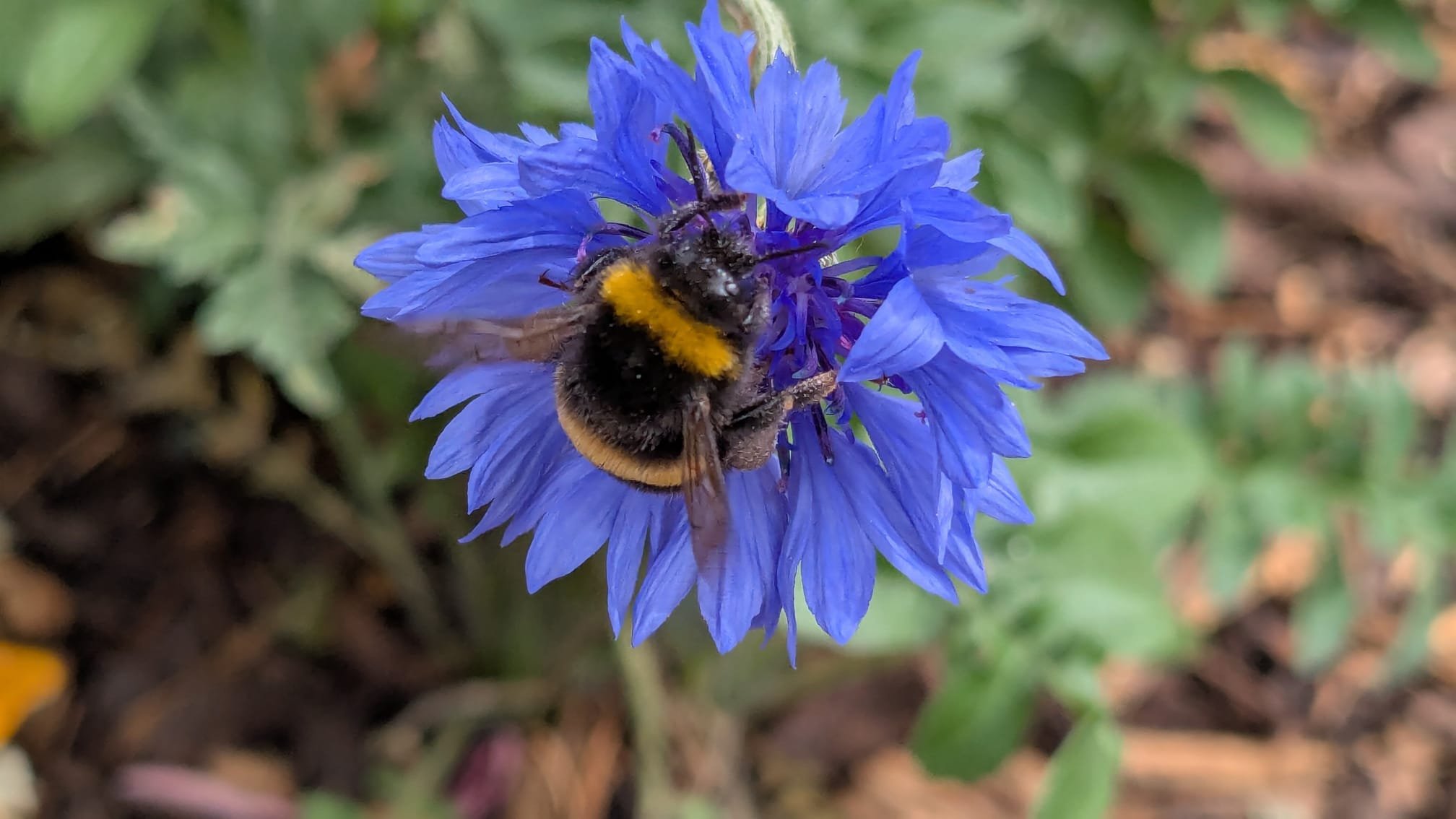
Seven of us gathered at 4pm in St John’s Garden ready to go! We decided to all hunt within earshot of each other, so we could call each other over when we found things. It was the autumn equinox a couple of days previously, and we were looking out especially for signs of autumn, such as seeds, berries, mushrooms, and spiders and their webs. We decided the aim was not to race around, but to slow down! and make sure everyone got at least one wild thing uploaded to the app. We were using iNaturalist, an app which can be used to identify and record any type of wildlife, from flowers to fungus to dragonflies and moss.
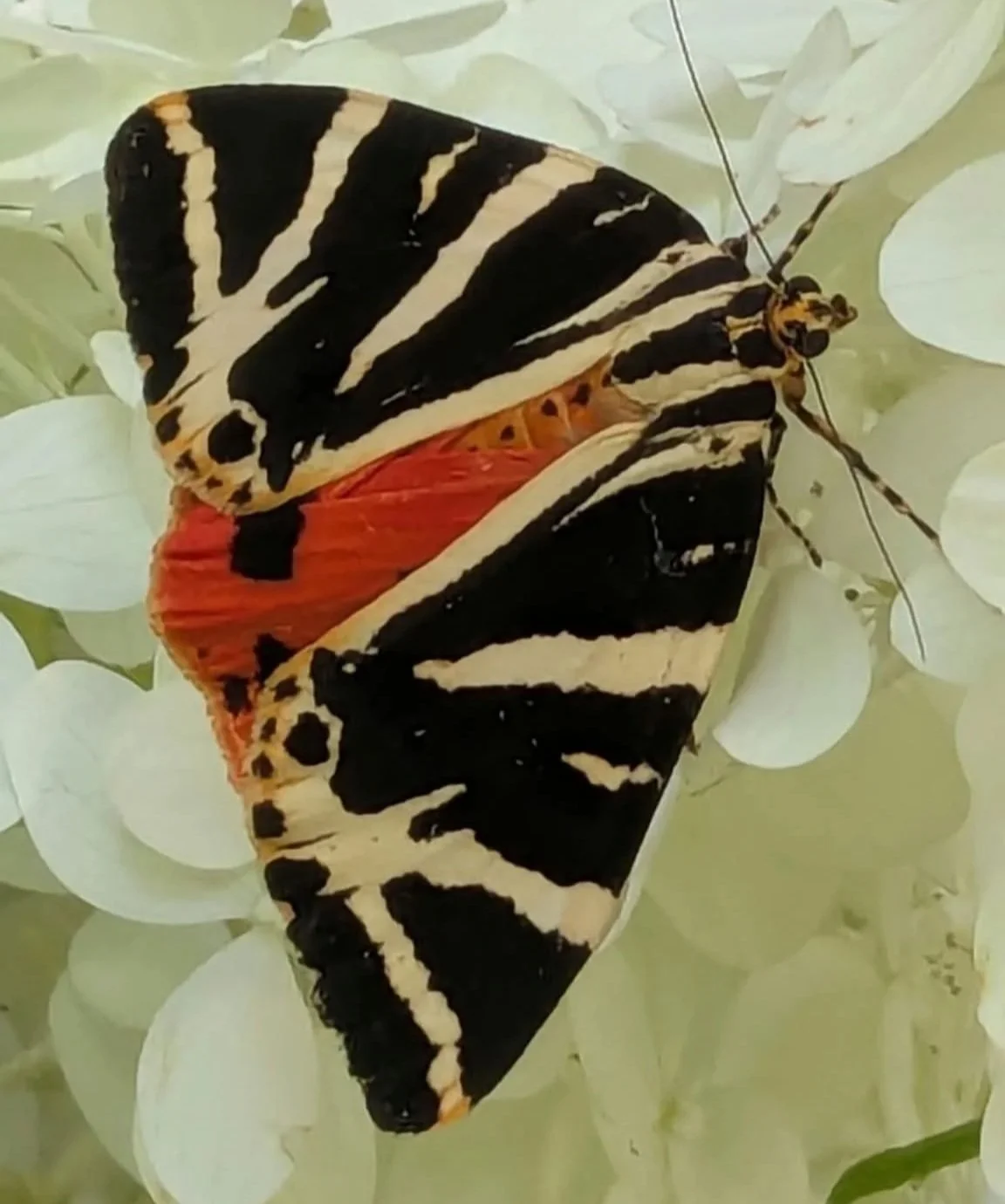
Miriam and Vicky from friends of Caledonian Park got things started by uploading a gorgeous photo of the Turkey Tail fungus that is growing on a log pile by the pond. Clara had brilliantly come with an insect net and bug pots, and she immediately swished up and potted a very decent fly, so that was our first insect. Then Clara and Jan caught and potted a hoverfly, which Jan recorded, before releasing it again and letting it go on its way.
We dipped the wildlife pond, and found quite a lot of water slaters, which are crustaceans that look like woodlice. And just as we were about to tip the water gently back into the pond, Jan saw something else moving, and it turned out to be a flatworm, inching its way across the bottom of the tray. We uploaded a pic of it, showing its weird white eyes.
Anna got a super cute, bright red ladybird, and at the last minute Sarah uploaded the fungus that’s growing hoof-like on the trunk of a big old cherry tree at the top of the park.
And at 5:15pm it was a wrap! In total, six of us had uploaded eleven observations to iNat. Not a bad haul! Double the number of observers as last time!
And even before the clock stopped, experts on the app had begun to help identify what we had seen. This is the most amazing thing about iNat - its AI identification functionality is only the first step. The real power of iNat is the global community of naturalists on the platform who help out to identify what people upload.
The world’s top identifier of freshwater isopods on iNat spotted our water slater photos, and helped identify them. Three (!) of the top experts on hoverflies appeared, one after another, to help with Jan’s hoverfly. A Norwegian entomologist suggested Clara’s fly was one of the (many!) in the Brachycera suborder. A British wild food and fungi enthusiast agreed with Sarah that her fungus was in the Ganoderma family of ‘Artist’s Brackets, Reishi and allies’. (Got to love these fungus names). And two ladybird experts appeared, and agreed with Anna that she'd seen a gorgeous Seven-spotted Lady Beetle.
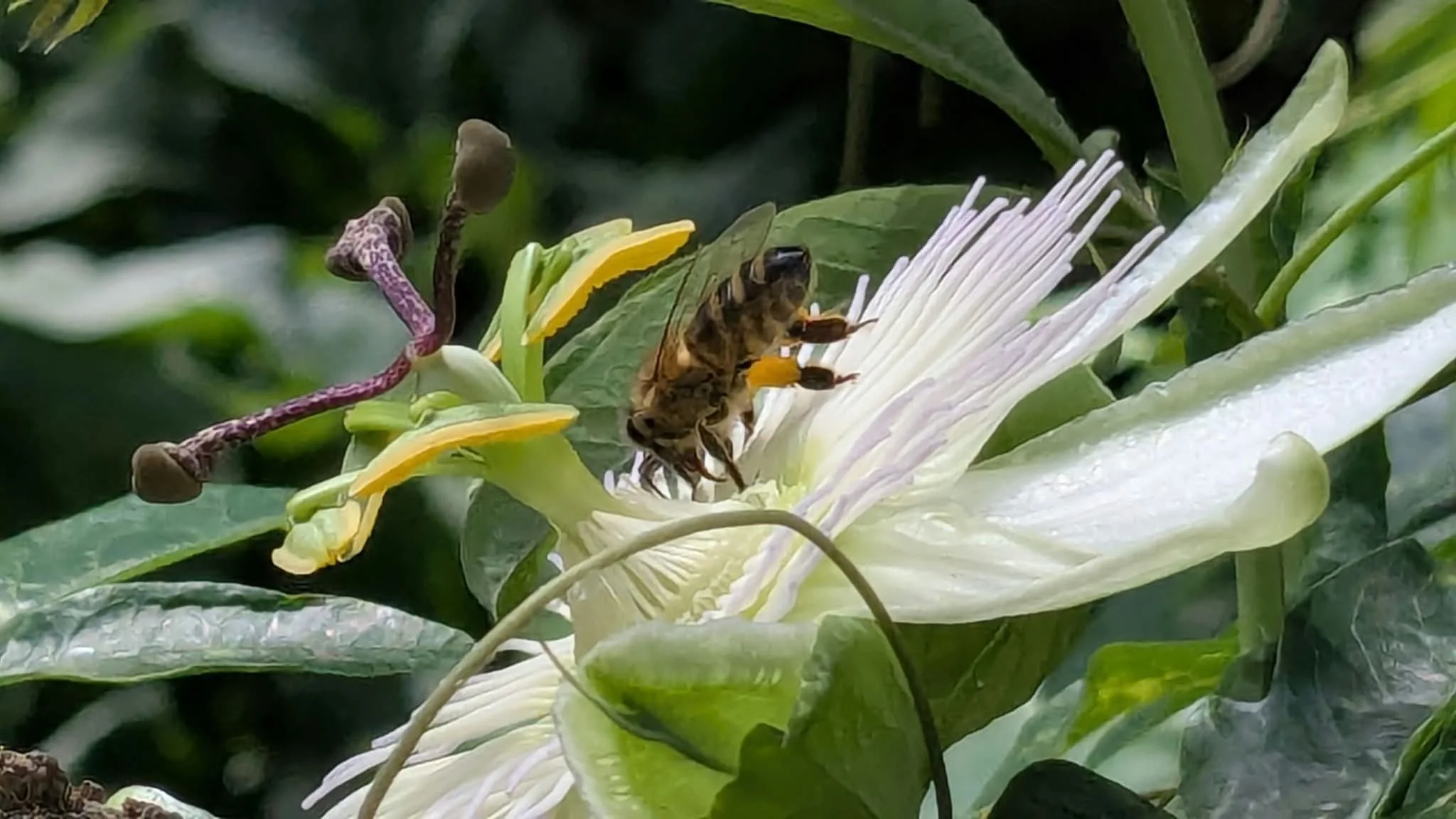
iNaturalist has become the largest all-species wildlife platform in the world. Using iNat is super fun, and, like eBird, iNat helps protect nature, because the observations we all make are available to researchers and policymakers. Ordinary people regularly find rare species and make real scientific discoveries, such as recording creatures far outside the areas they were previously known.
Thank you to all who took part! It was very enjoyable to get together, slow down and observe and record some of the amazing wild things in our patch.
Join us at the next Bioblitz. But no need to wait till then - just download iNat and have a go!
Scan to download iNat app