
Susanna’s Wildlife Watch - May
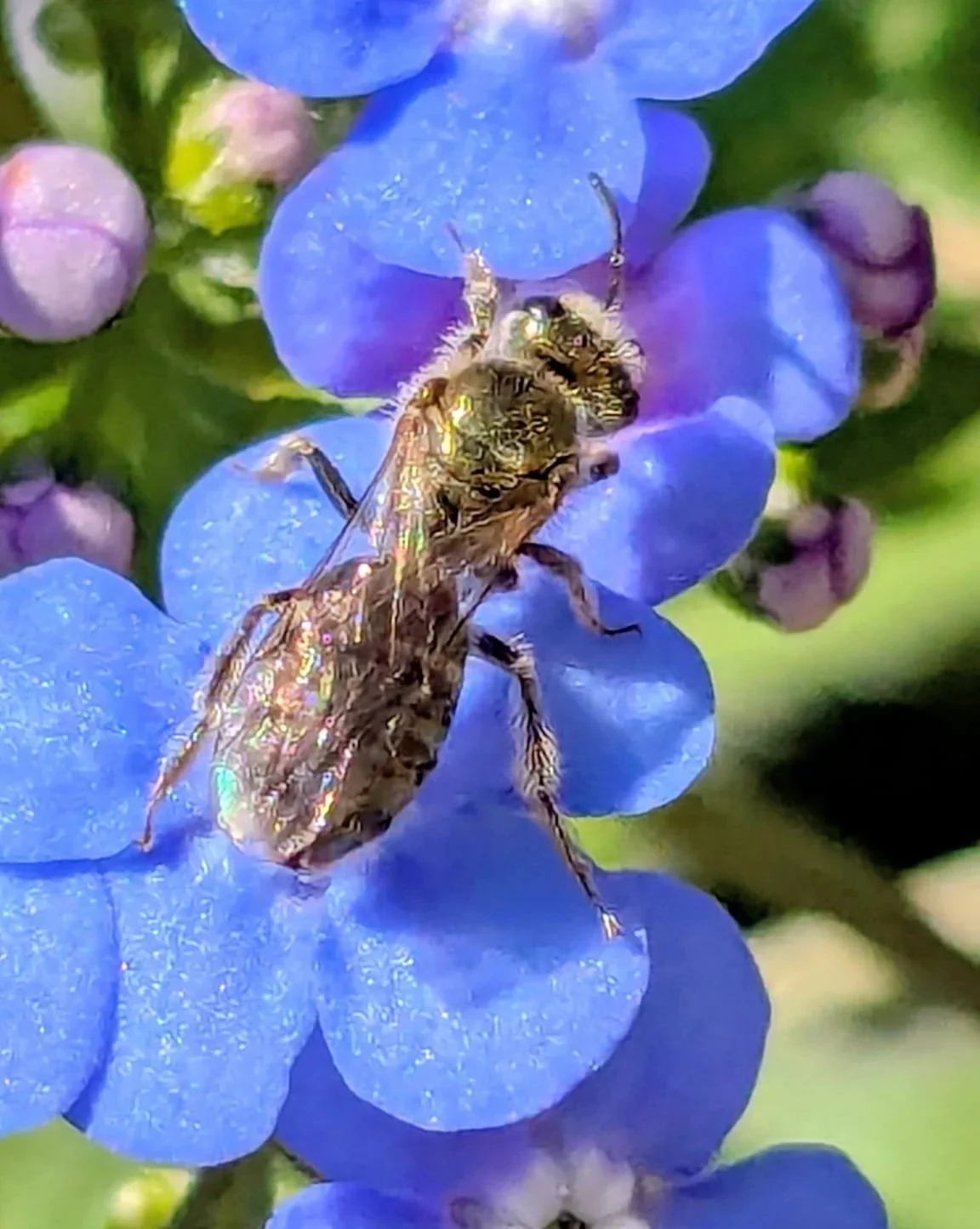
Photo by Susanna Thornton
In St John’s Garden, we have been learning how to record wildlife for a couple of years now. Our aim is gradually to understand more about the biodiversity of the park, as part of helping to protect and manage it better for wildlife. Check out St John’s Garden’s eBird hotspot here and our iNaturalist space here to see what wild things we've been seeing in our little patch. We have recorded 21 species of bird so far, and 16 species of insect at ‘Research Grade’ (which means that other users on iNat have confirmed our identifications). We have seen six species of hoverfly! Who knew we had so many types! If you spot something wild - a hoverfly maybe, or a bird, or fungus on a log, or a bug on a leaf - take a photo, and upload it! All eBird records and all 'Research Grade' records on iNaturalist, the two citizen science platforms we are using, get reviewed and go to Greenspace Information for Greater London, the environmental records centre for our region, and into national databases too, to be used for planning, research and conservation.
This month, we thought we would have a go at a community “BioBlitz”, a collaborative race against the clock to discover as many species of plants, animals and fungi as possible over a defined time period. If you want to get involved, just talk to me at the next Community Gardening session. It's super easy - the apps are fun and really user-friendly, and for iNat in particular, no knowledge of wildlife is required. The Bioblitz will be on Weds 20th May from 4-6pm (before the Spring edition of 'Poetry in the Park'). Our idea is maybe to do seasonal BioBlitzes, and repeat them over the years. We'll see! We are learning by doing, as ever.
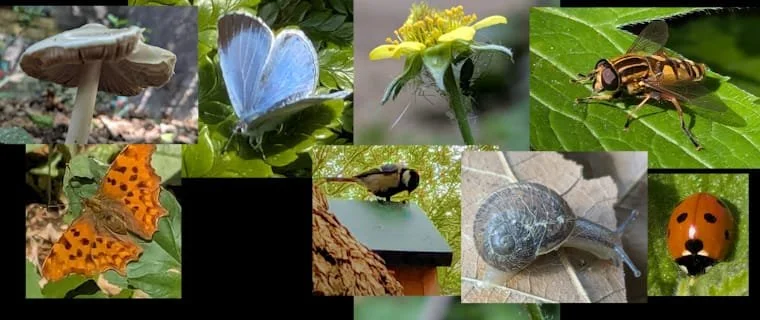
You might think, oh why bother? And better leave it to experts… But nature organisations say that it's important for as many people as possible to get involved in recording wildlife to contribute to research and help improve outcomes for biodiversity. And recording common species is just as important as rare ones, so that changes in the distribution of species can be spotted before it’s too late to try to take action. Anyone with a smartphone and ten minutes to spare can take part, because apps like eBird, iNaturalist etc enable the public to collaborate with experts on identifying species. Over 70 experts in the iNat community have helped us identify the insects, fungus and spiders etc that we've recorded in St John's Garden so far, and experts on eBird review our reported sightings, providing guidance, encouragement and quality control. Wildlife recording is the best example I can think of the power of social media to connect ordinary people with experts, to collaboratively create valuable data, on a massive scale, that otherwise would simply not exist. And it’s really interesting and enjoyable too! Come and join in!
Hope you're having a good week everyone and we'll see you in the garden soon!